United Airlines Pauses Big Merger Dreams Amid Industry Slowdown
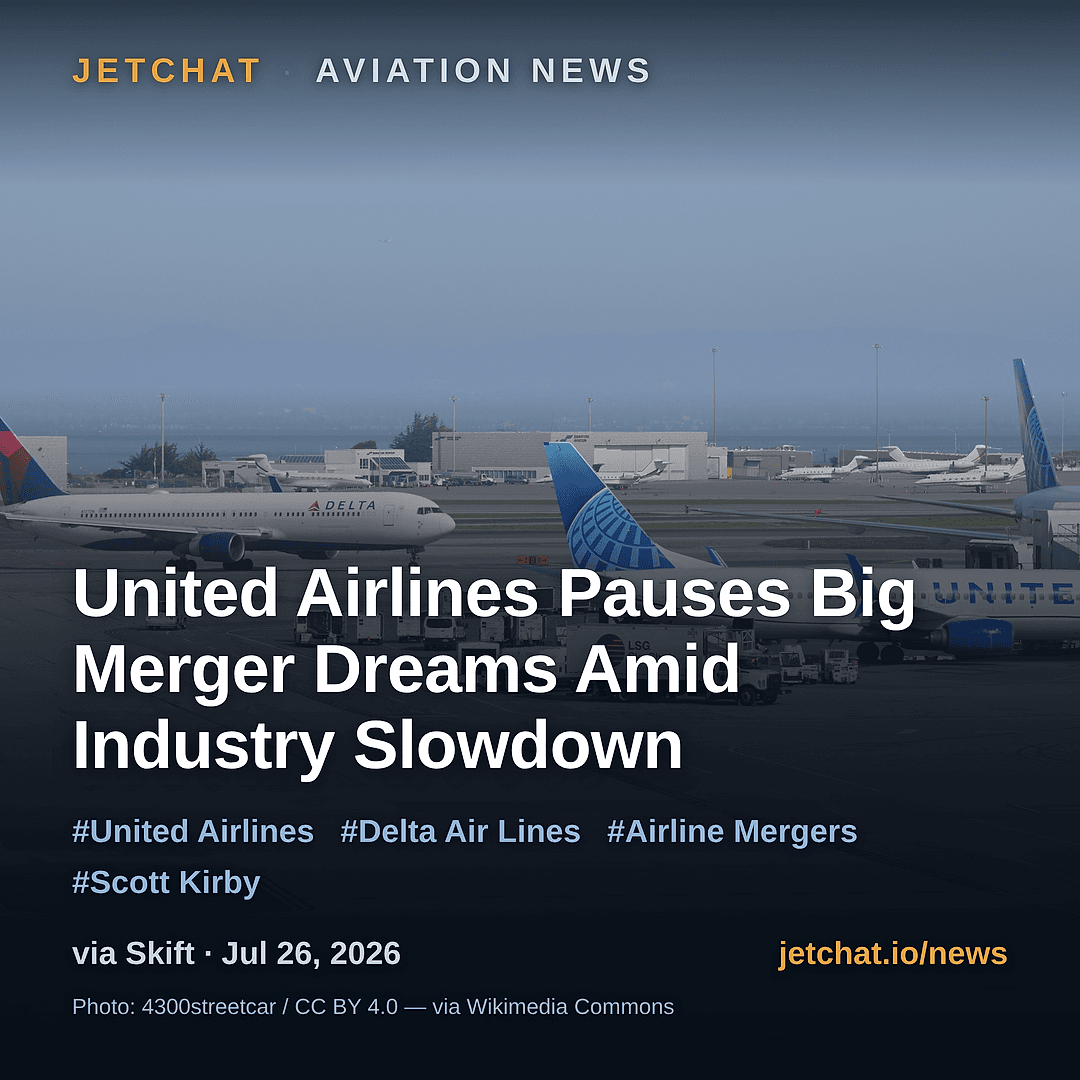
Photo: 4300streetcar / CC BY 4.0 — via Wikimedia Commons (CC BY 4.0) · source
United Airlines Chief Executive Officer Scott Kirby has historically championed massive deals to keep pace with industry giants like Delta and American. However, the appetite for massive airline consolidation has recently hit a wall across the entire sector. With sweeping regulatory pushback chilling recent acquisition attempts, United is shifting its strategy away from blockbuster buyouts. For aspiring airline pilots, stalled mergers mean more distinct regional pathways and separate corporate cultures rather than a rapidly shrinking pool of legacy mega-carriers.
Read the full take
The broader landscape of commercial aviation is experiencing a profound freeze in mergers and acquisitions, forcing major players to rethink their long-term growth strategies. United Airlines has spent years aggressively positioning itself to rival the sheer scale of Delta Air Lines and American Airlines. Under the leadership of Scott Kirby, the carrier previously demonstrated a strong willingness to pursue ambitious corporate deals. Now, the regulatory climate in the United States has largely slammed the door on further industry consolidation. Recent federal rulings have sent a clear message that massive airline tie-ups will face intense federal scrutiny and likely rejection. This forced pause in mergers is a highly significant development for career-minded aviators. When airlines combine, the integration of pilot seniority lists is notoriously complex and often contentious, frequently leading to prolonged labor disputes and career uncertainty. A stabilized corporate landscape without the looming threat of massive mergers provides a much more predictable career trajectory for those currently climbing the ranks at regional carriers. Furthermore, avoiding consolidation ensures that multiple distinct major airlines remain in direct competition for top aviation talent. Instead of buying market share, carriers like United must now focus on organic route growth, fleet modernization, and aggressive pilot recruitment to outpace their rivals. For flight instructors and regional first officers, this translates to sustained hiring demands across a wider variety of legacy and low-cost carriers, preserving competitive compensation packages and diverse options for long-term career destinations.