
JetChat Newsjetchat.io ↗
industry

Airlines see relief as Pratt & Whitney GTF groundings decline

The aviation industry is finally experiencing a reduction in aircraft groundings caused by Pratt & Whitney's Geared Turbofan engine recall. Accelerated maintenance output and a notable drop in shop turnaround times have helped carriers return dozens of Airbus and Embraer jets to revenue service. While some operators anticipate complete fleet restoration by late 2027, others like Brazil's Azul have already resolved their engine shortages entirely. For aspiring airline pilots, resolving these equipment bottlenecks means more stable flight schedules and renewed fleet growth driving hiring demand.

industry

Next-Generation Aircraft Engines May Rely on Incremental Design Updates

For decades, major gains in commercial aviation efficiency came from entirely new propulsion architectures, such as the introduction of high-bypass and geared turbofans. However, industry analysts now suggest that the upcoming era of powerplant development could abandon radical physical redesigns in favor of refining existing concepts through advanced materials and sustainable fuel compatibility. For aspiring airline pilots and enthusiasts, this signals a future where cockpit operations and engine management remain familiar, even as the underlying technology subtly becomes much greener and more efficient.

industry

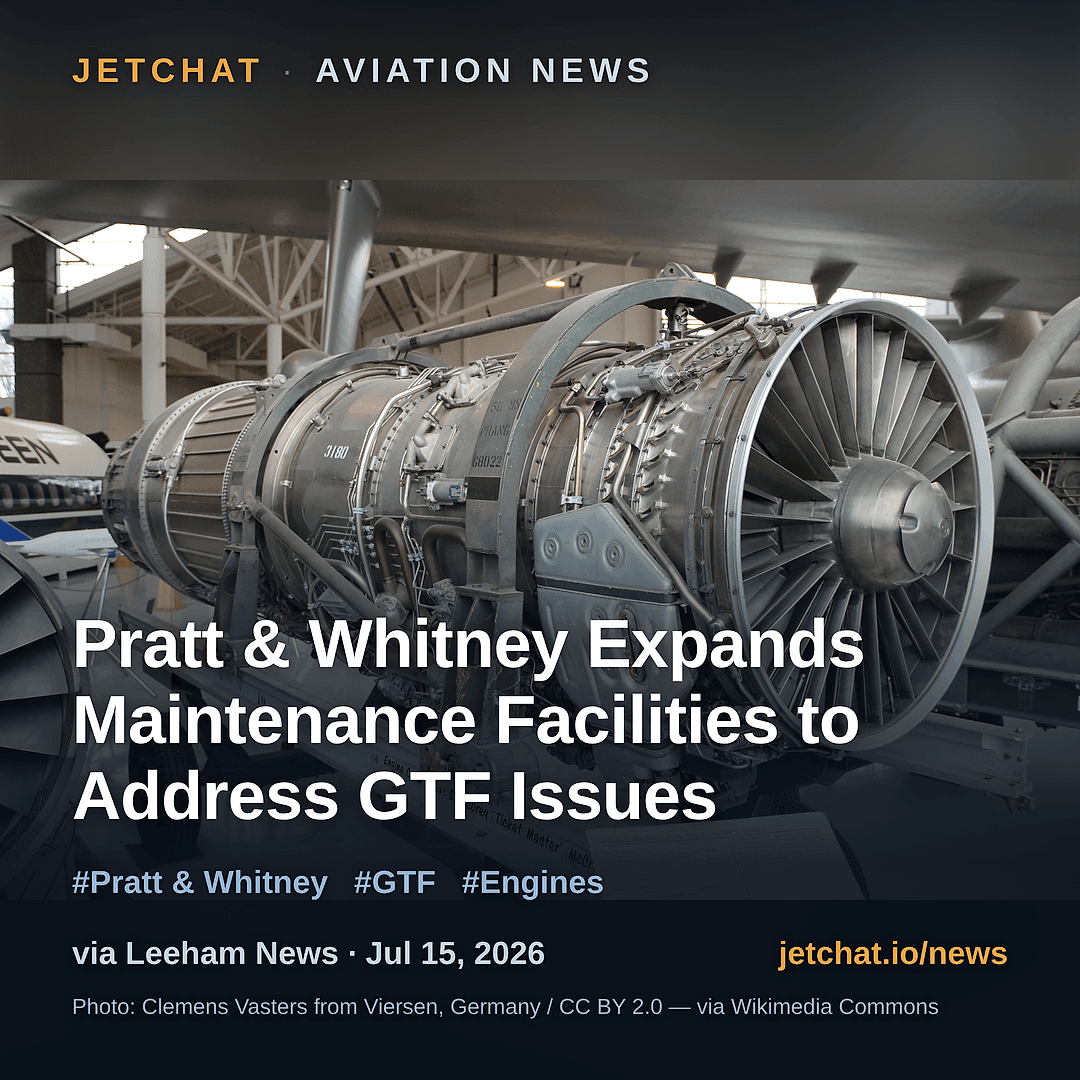
Pratt & Whitney Expands Maintenance Facilities to Address GTF Issues

A decade after introducing the Geared Turbofan engine, Pratt & Whitney is heavily investing in new maintenance, repair, and overhaul centers to resolve ongoing technical problems. The engine manufacturer aims to reduce turnaround times and alleviate the severe supply chain bottlenecks that have kept hundreds of narrowbody airliners grounded worldwide. For commercial crews, faster engine repairs mean fewer last-minute aircraft swaps, more predictable flight schedules, and greater stability across airline route networks.