JetChat Newsjetchat.io ↗

Topic

#Regulation

← All briefs
airlines

US Airlines No Longer Liable For Ten Specific Delay Types

Starting October 19, domestic air carriers will face relaxed federal compensation rules regarding passenger accommodations during specific flight disruptions. Regulators have reclassified ten distinct delay causes—including surprise mechanical issues, mid-flight medical events, digital security breaches, and passenger misconduct—as beyond a carrier's control. Consequently, operators are no longer required to provide stranded travelers with complimentary lodging, food, or transit. For active flight crews and airline candidates, this regulatory shift highlights how the government is actively redefining operational accountability in modern commercial aviation.
industry

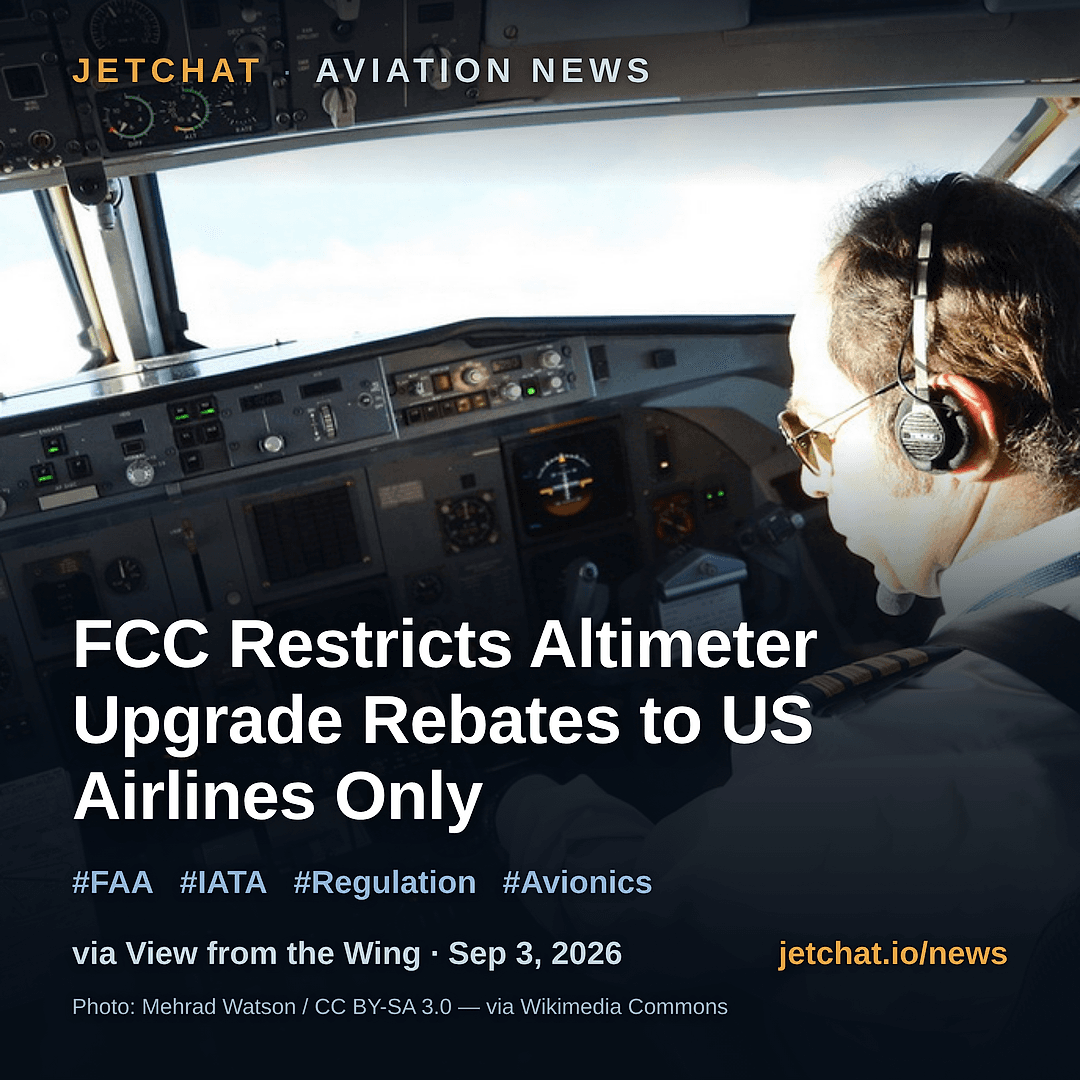
FCC Restricts Altimeter Upgrade Rebates to US Airlines Only

The Federal Communications Commission has restricted its multibillion-dollar rebate program for 5G-tolerant radio altimeters exclusively to domestic operators, shutting out international airlines. While the Federal Aviation Administration mandates these crucial avionics upgrades for all commercial aircraft operating in United States airspace, the International Air Transport Association argues this funding exclusion violates Open Skies treaties and federal law. For flight crews, the ongoing international dispute highlights the complex financial hurdles of modernizing radar altimeter equipment essential for safe low-visibility approaches.

ga training

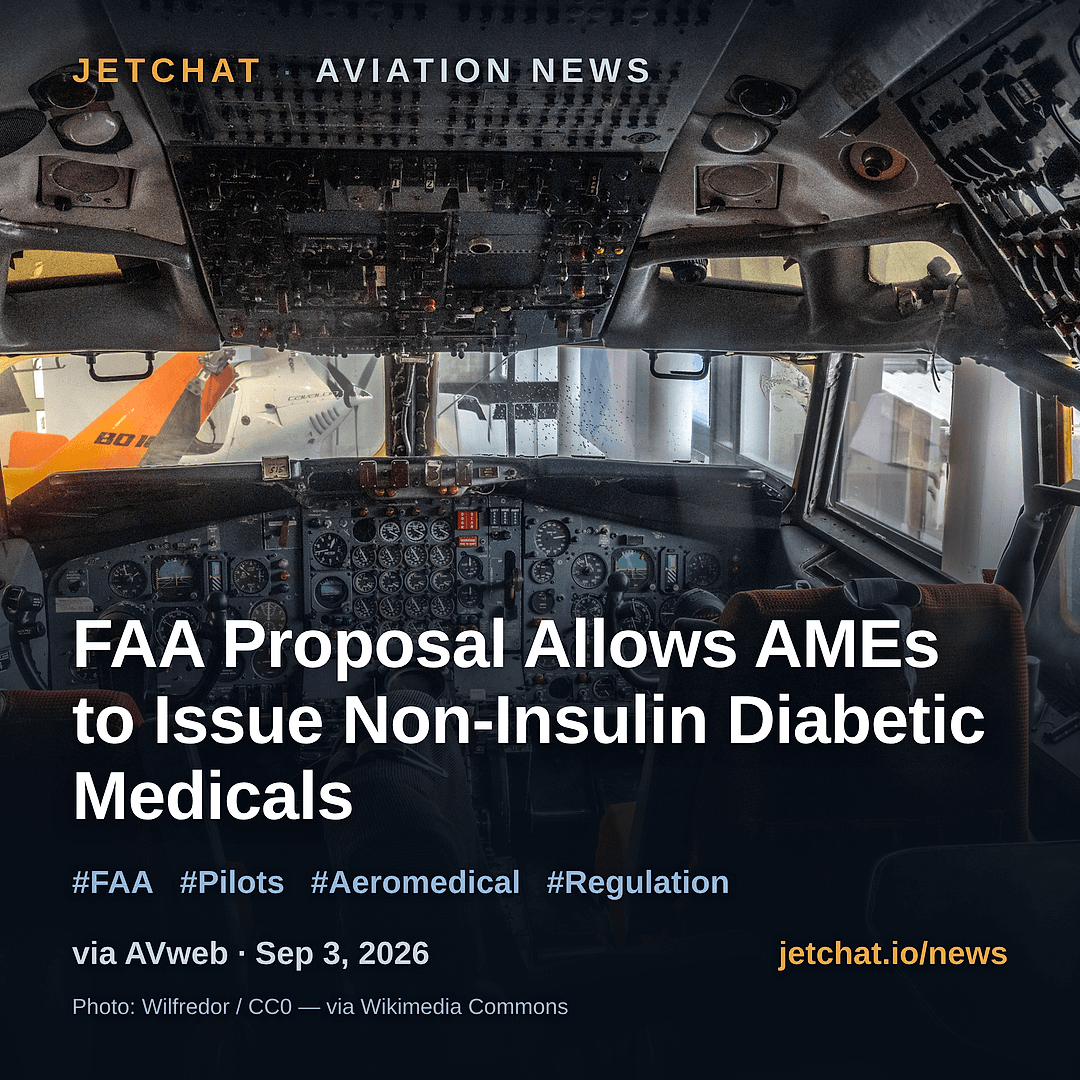
FAA Proposal Allows AMEs to Issue Non-Insulin Diabetic Medicals

The Federal Aviation Administration wants to streamline medical certifications for pilots who manage diabetes with non-insulin medications. A newly proposed rule would eliminate the mandatory Special Issuance deferral, allowing aviation medical examiners to issue first-, second-, and third-class medicals directly at the time of examination. Currently, applicants face long waits and administrative burdens under standards that date back to the late 1950s. This modernization matters to pilots because it could save millions in labor costs while significantly reducing certification wait times for thousands of aviators each year.

industry

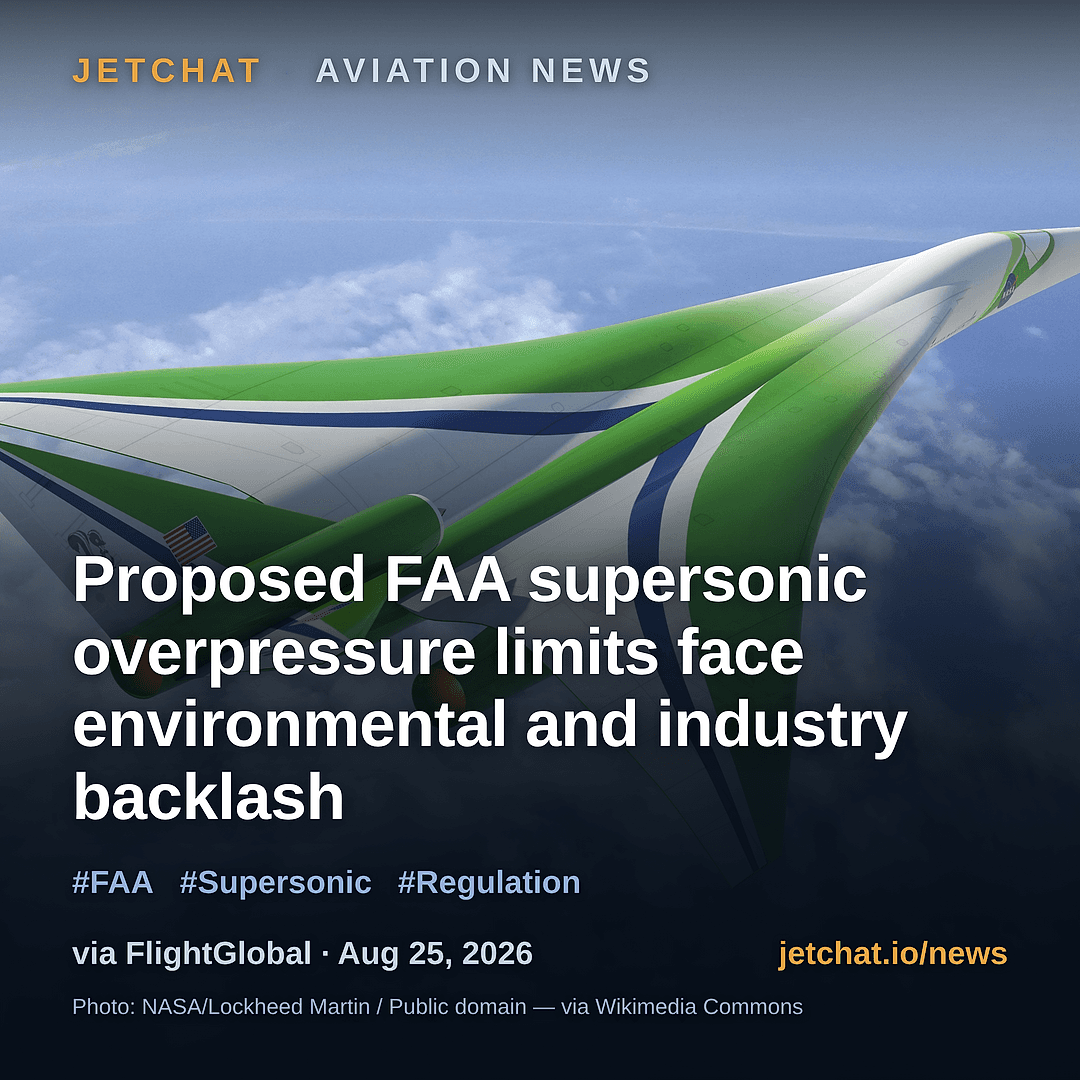
Proposed FAA supersonic overpressure limits face environmental and industry backlash

The FAA’s proposal to replace the decades-old civilian supersonic flight ban with a pressure-based noise metric is facing steep resistance from environmental groups and aviation stakeholders. The plan would permit supersonic flight over land if the resulting shockwave remains below 0.11 pounds per square foot of overpressure at ground level. However, critics argue this metric fails to capture human annoyance and fluctuates unpredictably with atmospheric conditions, meaning future supersonic pilots could face significant operational liabilities when managing these profiles in shifting weather.

airlines

Orlando passenger discovers secret multibillion-dollar TSA privatization initiative

A stray document left at Orlando International Airport recently revealed a covert federal initiative to privatize screening operations at major terminals. Dubbed GoldPlus, the nearly thirteen-billion-dollar proposal had been quietly pitched to industry executives for months without notifying lawmakers or the national screener workforce. The unexpected discovery highlights a massive shift in how passenger checkpoints might be managed in the coming years. For airline crews and frequent flyers, this could mean navigating completely revamped screening procedures and varying contractor policies across different hubs.

industry

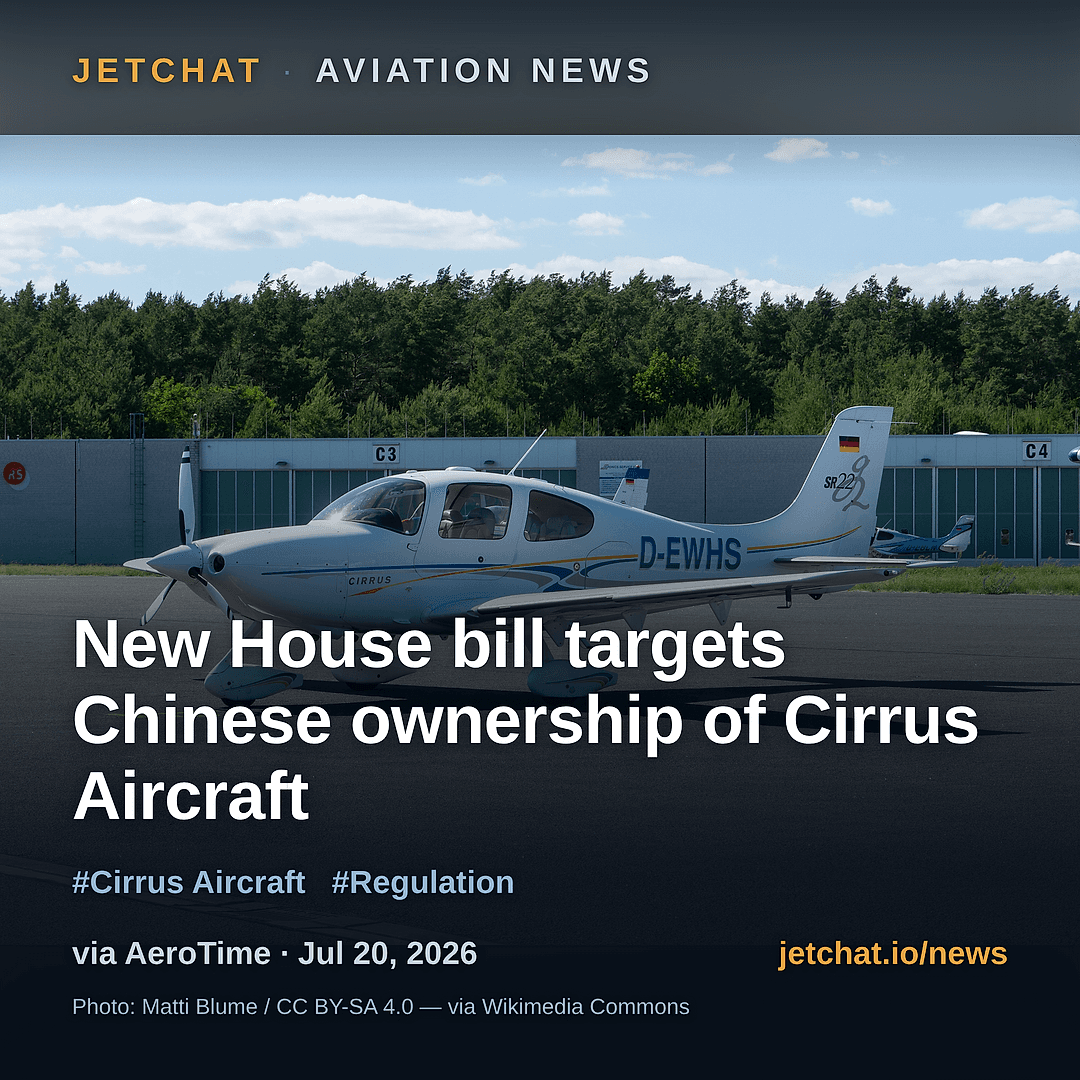
New House bill targets Chinese ownership of Cirrus Aircraft

Two Republican lawmakers have introduced a House bill to examine past foreign acquisitions of American aviation manufacturers, specifically targeting China's ownership of Cirrus Aircraft. The proposed legislation would expand the authority of federal regulators to review previous deals and potentially force divestitures if national security risks are identified. It also mandates cybersecurity audits for avionics and flight controls built by foreign-owned entities. This matters to pilots because the outcome could reshape the supply chain and corporate backing of the industry's most popular piston training aircraft.